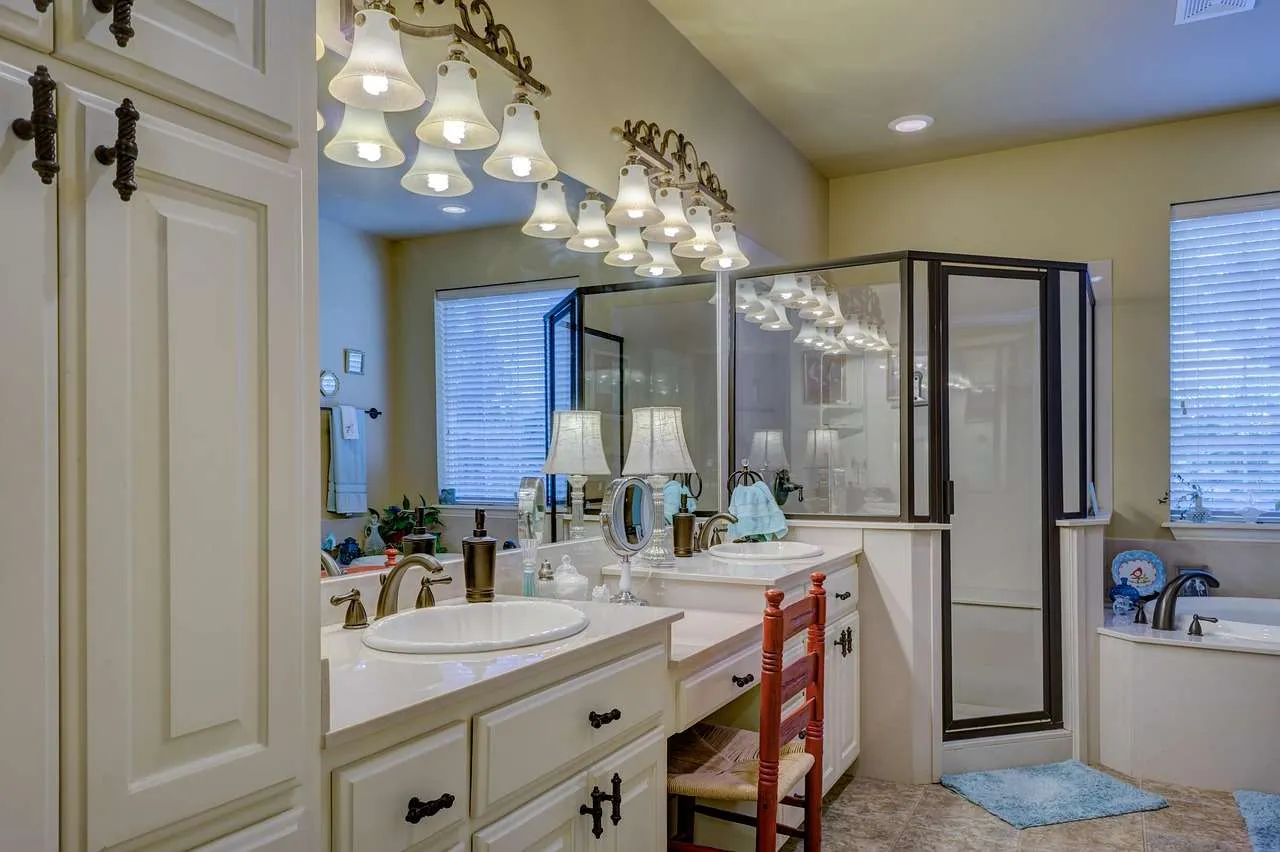
Designing a small bathroom requires a blend of practicality and style. With more homeowners prioritizing efficient, accessible spaces, small bathroom ideas that work are vital. This article, drawing on experience from professional bathroom design projects, outlines proven strategies to maximize every square inch while keeping a high-end look. Expect practical tips, material suggestions, and layout guidance that align with EEAT principles—demonstrating expertise, trust, and authoritativeness.
Smart layout ideas for tiny bathrooms
Start with a floor plan that prioritizes the zones: water closet, sink, shower or tub. Consider a pocket door to reclaim wall space, and opt for a shower instead of a full tub to free up space. If a tub is essential, a compact 48-inch model or a soaking tub can fit in narrow baths. A wet room concept—where the entire bathroom is a single shower area—can also feel more expansive when paired with a continuous floor and glass partition.
Prioritize sightlines and open feel
Glass shower doors or a clear shower enclosure visually expands the space. Use frameless fixtures and minimal hardware to reduce visual clutter. Align plumbing fixtures on the same wall to create clean sightlines. A light-colored, uniform tile runs from floor to wall to visually elongate the room and minimize breaks in the surface.
Compact fixtures that save space
Choose wall-mounted or pedestal sinks to free floor space, and a wall-hung toilet to create the illusion of more room and simplify cleaning. Corner vanities or narrow depth sinks extend usable surface without crowding the center. For showering, a stall shower with a sliding or bi-fold door can be superior to a hinged door in tight corners. When possible, install a compact vanity with integrated storage to reduce clutter.
Storage-first solutions
Vertical storage matters: tall, slim cabinets, recessed niches in the shower, and floating shelves keep essentials within reach without encroaching on the floor. Add medicine cabinets with integrated lighting to avoid extra vanity depth. Use under-sink drawers and organizers to hold toiletries, towels, and cleaning supplies. Consider a recessed medicine cabinet mirror for double-duty storage and a cleaner look.
Color, lighting, and materials
Light colors reflect more light and make a small bath feel airy. Matte neutrals paired with warm whites create calm, spa-like vibes. The finish matters: choose large-format, light-colored floor tiles with minimal grout, and continuation of the same tile onto the shower wall to reduce stops and seams. Layer lighting—overhead, task lighting at the mirror, and accent lighting along shelves—eliminates dark corners and emphasizes clean lines. Mirrors with integrated lighting further amplify space and utility.
Materials that stand up to moisture
Porcelain, ceramic, and quartz are durable and low-maintenance for small bathrooms. Choose water-resistant vinyl or porcelain tiles for floors, and glass or acrylic shower enclosures that resist staining and hard water spotting. Keep metal finishes simple (chrome or matte black) for cohesion and ease of cleaning. Choose recessed or concealed hardware to maintain a sleek, uncluttered look.
Special considerations for budgets and accessibility
Invest in durable fixtures with a long lifespan to avoid frequent upgrades. For elders or guests with mobility challenges, include grab bars discreetly and choose a barrier-free shower with a nonslip floor and a handheld shower. Plan for future resizing with adjustable vanity heights and modular storage. When budgeting, prioritize layout and fixtures first; finishes can be upgraded later if needed without major disruption.
Budgeting and phased renovation
Small bathroom renovations can be affordable if you stage the project. Start with key upgrades that yield the biggest impact: a glass shower, wall-mounted fixtures, and bright paint. If budget is tight, consider concentrating on one area at a time (layout first, then storage, then finishes). Get multiple quotes from licensed plumbers and electricians, and plan for contingency of 10-15% for unexpected issues behind walls. Choosing durable materials like porcelain tiles and quartz countertops reduces long-term maintenance costs. Prioritize water-efficient fixtures to save on utilities.
Maintenance and durability
Keep a small bath in peak condition with simple routines: wipe down glass after showers, reseal grout periodically, and use a squeegee to prevent water spots. Opt for anti-microbial sealants and avoid cheap vinyl that wears quickly. With quality finishes and proper care, your small bathroom will stay functional and attractive for years.
Comparison and quick plan
Here is a quick comparison of common small-bath layouts and their impact on space and usability.
| Layout/Option | Pros | Cons |
|---|---|---|
| Walk-in shower with glass panel | Feels open, easy to clean, better for accessibility | Requires drains and proper waterproofing |
| Shower-tub combo | One unit for bathing and showering, familiar | Takes more depth, can crowd the space |
| Wall-mounted sink + open vanity | Maximizes floor space, flexible layout | Requires plumbing access and precise mounting |
| Pocket door | Closes fully without swinging into room | Cost and framing considerations |
| Floating vanity with recessed shelf | Sleek look, extra storage by wall | Costs more; depth limits storage |
As you plan, measure carefully and consult a licensed installer or contractor to verify that plumbing and electrical placements meet local codes. A well-planned small bathroom not only improves daily life but also boosts home value. Use 3-4 design cues consistently to maintain harmony: a light color palette, glass and mirrors to reflect space, and minimal hardware to reduce visual clutter.
Conclusion, by applying these small bathroom ideas you can create a space that feels larger, more functional, and elegantly cohesive. Focus on smart layout, compact fixtures, clever storage, and restrained finishes. With careful planning and quality materials, a small bath becomes a refined retreat rather than a cramped corner.